What Is PLA Plastic and Why Choose It for Small Animal Cage Accessories?
A thoughtfully arranged cage gives your pets more places to explore, climb, rest, and hide. The materials you choose help make that environment practical for both your animals and your daily care routine.
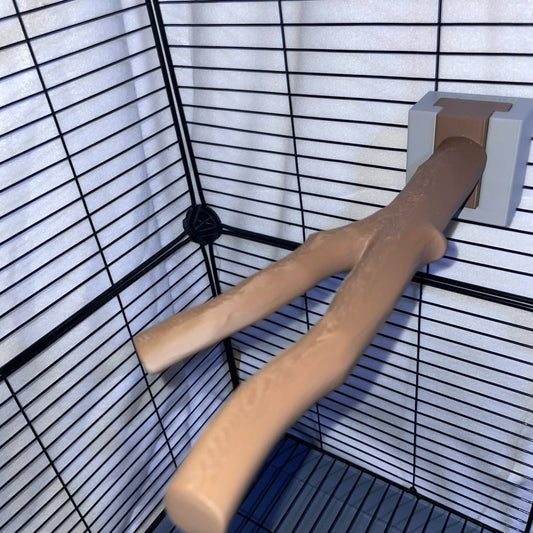
At GliderAmazing, we use PLA plastic in our Habitat Collection to create structured accessories such as ledges, tunnels, baskets, and hideouts. Its rigidity, relatively light weight, and versatility make it a useful choice for many indoor cage applications.
Here’s what PLA is, where it works well, and how to care for it.
What Is PLA Plastic?
PLA is a plastic made from renewable plant sugars. Those sugars are fermented to produce lactic acid, which is then processed into long molecular chains that form the finished material. PLA is used in products ranging from packaging to durable manufactured items. Learn about PLA from NatureWorks.
Why PLA Works Well for Cage Accessories
PLA is a rigid material, making it useful for accessories that need to hold their shape. This allows us to make designs that allow more ways to use cage space. Rigid accessories make it possible to arrange platforms, resting spots, and connecting routes at different heights.
For sugar glider setups, this gives owners more options for building an interesting layout around sleeping pouches and other familiar furnishings. Wall-mounted pieces can also help put the sides and corners of the cage to use.
Practical everyday cleaning
Hard plastic surfaces let you see and remove food residue and other messes without laundering an entire fabric item. PLA accessories still need thorough cleaning. Grooves, joints, and textured areas deserve particular attention, and a quick wipe should not replace regular washing.
Flexible designs and coordinated layouts
PLA can be formed into a wide variety of useful shapes, from compact corner pieces to tunnels and climbing accessories. That versatility helps owners choose items that suit their available space and build a coordinated habitat over time.
Is PLA Suitable for Other Small Animals?
PLA accessories may also suit some other small animals when the dimensions, placement, and intended use are appropriate.
Chewing behavior is a deciding factor. Rat owners already have a large selection of pla accessories (although not too many themed sets exist) and many rat owners report that intervals between chewing damage occurring with PLA plastic compared to traditional wood is such that it makes financial sense to switch to PLA. Replacements eventually are still needed, but costs over the long run go down. Nevertheless, this is animal dependent and heavy chewers should be evaluated based on. Check accessories as your pet uses them. Remove any item that develops chewing damage.
How to Care for PLA Cage Items
For ordinary PLA accessories:
- Hand-wash with mild soap and lukewarm water.
- Use a soft brush to clean grooves and corners.
- Rinse thoroughly and allow the item to dry before returning it to the cage.
- Avoid dishwashers, boiling water, and direct heat.
- Inspect the accessory during cleaning.
Standard PLA has limited heat resistance, so high-temperature cleaning can warp or distort it.
A Thoughtful Addition to Your Cage Setup
PLA offers a useful combination of structure, versatility, and convenient routine care. Used in appropriately designed accessories, and matched to your pet’s habits, it can help you create more places to explore and rest.
Explore GliderAmazing’s Habitat Collection to find ledges, tunnels, hideouts, and other accessories for your next cage arrangement.